By Jay Shareef and Chris Rhoads
It’s no secret that things in our world are a bit uncertain these days. It feels like we’re constantly waiting for the other shoe to drop. If you’re like most people, living with this level of uncertainty day in and day out can be stressful. But as much as we may not like living with instability, the market likes it even less.
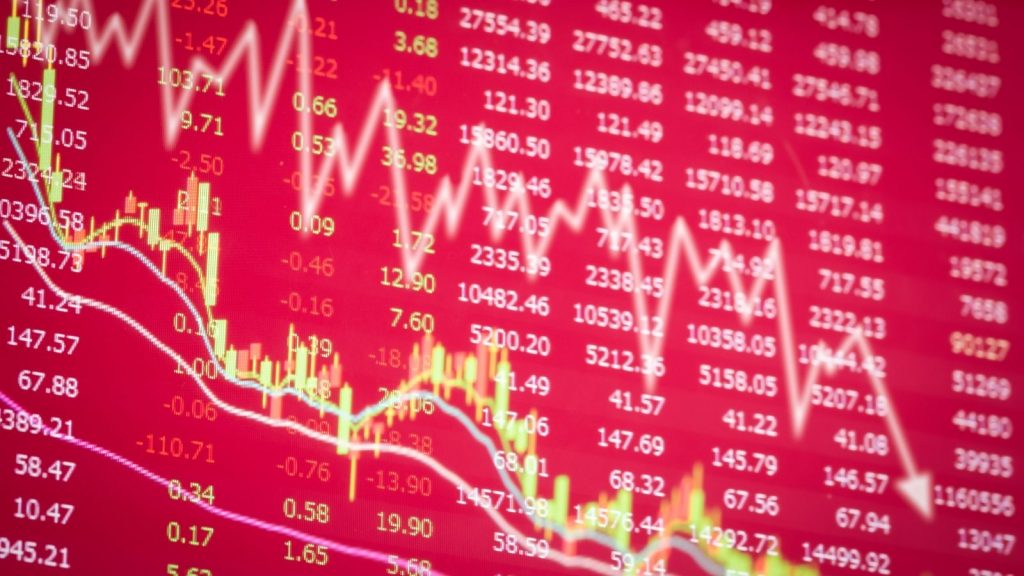
With the roller coaster markets and plummeting stocks, which are not helped by investors purging stocks out of recession fears, many people are starting to feel the stress. As of June 1st, stocks rose slightly with the S&P 500 gaining 1.8%, breaking a 2-day losing streak.[1] Still, the overall outlook is a seemingly downward trend. In mid-May, the S&P was down nearly 20% from January’s high, briefly dipping into bear market territory.[2] Even the big guns were not immune to a drop, with Amazon and Apple posting declines, among others.[3] [4] As a result, many economic leaders are predicting a recession in our near future.[5] There are many factors we can point to, such as rampant inflation, the Fed’s solution of increasing interest rates, and international unrest, but the fact remains that we have no control over any of that.
But you don’t have to stress or worry. At WealthFlow Financial, we’re here to help you take a deep breath and walk you through whatever happens with the markets. Here’s how we are watching over your finances and taking proactive steps to help secure your wealth.
Big-Picture Planning
We don’t make investment decisions based on what everyone else is doing or what’s popular in the investment industry. Whenever we make planning decisions with you and offer investment recommendations, we do it with your goals at the forefront. When the markets get shaky, we go the extra step of reviewing your objectives to make sure you’re still on track and make educated decisions that are not based on panic or emotion.
This starts from the very beginning of our relationship with you. We use conservative return numbers when analyzing the potential outcomes of your plan because we know that corrections and bear markets will come again. We also use asset allocation “buckets” that divide your wealth into short, intermediate, and long-term strategies to help you make the most of a volatile market.
And in times like this, it’s even more important to have an emergency fund or a percentage of your portfolio that is either in cash or liquid enough if you need it for unexpected circumstances. While cash investments may not provide a lot of growth, having a cash contingency fund with at least one year’s worth of living expenses will protect you against having to sell investments at low values to free up cash.
We Know Your Risk Tolerance
Do you know that feeling in the pit of your stomach when you make a decision that was too risky for your comfort? Our goal is to help you avoid that feeling when it comes to your investments. Before investing any of your money, we determine your risk tolerance, the amount of risk that an investor is comfortable taking or the degree of uncertainty that an investor can handle. Like most things in life, your risk tolerance may change with age, income, and financial goals. We don’t want you to lose sleep at night, so we review your risk tolerance and how much risk you can afford to take and adjust your investments over time.
We also watch over your money like a hawk, and when it’s time to get out of an investment because the risk is rising, we will contact you about adjusting your allocation.
Timing Matters
During bear markets, it’s important to remember that investors only realize losses when they sell, so it’s critical not to sell when the market is down. When you need to access your money is an important factor in avoiding those losses. For example, if you are a decade or more away from retirement, you can likely wait out a recession or correction and benefit from the recovery. If you need access to your funds in the next five years or are within your first five years of retirement (frequently known as the “fragile decade”[6]), a recession will make more of an impact on your money and your plans.
From a practical perspective, we make sure your portfolio’s allocation is set up with your time horizon in mind. If you need money in the short term, your portfolio will hold safe investments like cash or short-term bonds. Because retirement can last decades, you still want some of your money in investments that will produce long-term growth, but your portfolio will look very different from that of a 40-year-old in the peak of their working years.
We Are Your Emotional Support System
One of the most important rules in investing is to refrain from making emotional decisions. It’s easy to get swept away emotionally when the market negatively wreaks havoc on your finances. But if you stay true to your investment strategy and avoid making decisions when emotions are running high, you won’t run the risk of losing even more.
Remember, bear markets have happened before and they will happen again. As long as you have created a disciplined financial plan and have a trusted advisor who is monitoring your money, you are doing your part to prepare. If you don’t have someone you can turn to when the market gets wild, we’d love to support you and help you build your finances for a strong future. Reach out to us at (301) 798-5250 or schedule a phone call now.
About Jay
Jay Shareef is vice president, financial advisor, federal benefits consultant, and co-founder at WealthFlow Financial. As a U.S. Army veteran, Jay is passionate about helping federal employees create a bulletproof plan for retirement and navigate the often confusing and complicated federal benefits landscape. He spends his days educating and providing clients with unbiased insurance benefits and retirement strategies to help his clients create guaranteed income for life. As a problem-solver and trustworthy resource, Jay always puts his clients and their needs first so they can find financial peace of mind. To learn more about Jay, connect with him on LinkedIn.
About Chris
Chris Rhoads is a co-founder and vice president of WealthFlow Financial. As a registered investment advisor and independent financial professional, Chris is committed to helping his clients in retirement and he takes a holistic approach to financial planning that includes insurance and risk management, investments and wealth management, retirement income planning, and estate and tax planning. Chris has been married to his wife, Tia, since 2009 and they live in Frederick, MD, together with their two young daughters. In his free time, Chris enjoys traveling, watching sports, and being active in causes about which he cares passionately. To learn more about Chris, connect with him on LinkedIn.
[1]https://www.cnbc.com/2022/06/01/stock-futures-are-little-changed-as-investors-dwell-on-health-of-the-economy.html
[2]https://www.forbes.com/sites/sergeiklebnikov/2022/05/12/dow-falls-600-points-sp-500-hits-new-2022-low-as-staggering-market-losses-continue/?sh=6cce11121bef
[3] https://www.cnbc.com/2022/05/23/stock-market-futures-open-to-close-news.html
[4]https://www.cnbc.com/2022/05/24/5-things-to-know-before-the-stock-market-opens-tuesday-may-24.html
[5]https://fortune.com/2022/05/20/recession-economy-stock-market-expert-predictions-jamie-dimon-carl-icahn-elon-musk/
[6] https://www.lifehealth.com/navigating-retirements-fragile-decade/